
When a Control Room Becomes an Operational Liability
Most control rooms show their age gradually, through systems that are harder to support, rising maintenance demands, recurring workarounds, and technology that no longer meets current operational or cybersecurity needs. Any one of these issues may be manageable, but together they signal a larger problem: the control room is beginning to limit the operation instead of supporting it. That is when upgrading becomes a business decision, not just a facilities project.
The Real Cost of Waiting
Organizations often delay control room upgrades because the existing environment still functions. Yet, functioning is a low standard for a mission-critical space.
The better questions are:
- Can the room recover quickly from a failure?
- Can the technology be supported for the next five to ten years?
- Can operators perform at their best during routine and high-pressure conditions?
If the answer to any of these questions is no, the organization is carrying operational debt. That debt appears in maintenance budgets, slower response times, operator fatigue, system downtime, security exposure, and reduced resilience. The longer it is ignored, the fewer options the organization has when action becomes unavoidable.
Seven Signs the Room Is Working Against You
1. Critical Technology Is No Longer Supported
End-of-life hardware and software create more than an IT problem. They increase recovery time, restrict integration, limit upgrades, and make the operation dependent on parts or expertise that may no longer be available.
A system can remain operational long after it stops being supportable. That gap is where risk builds.
2. Repairs Have Become Part of the Routine
Occasional maintenance is expected. Repeated failure is a warning. When displays, connections, electrical systems, consoles, or peripheral equipment require frequent attention, technical teams become reactive. Resources are spent preserving the past instead of improving the operation.
The key question is not whether the equipment can be repaired. It is whether repairing it again produces any long-term value.
3. The Cost of Ownership Is Moving in the Wrong Direction
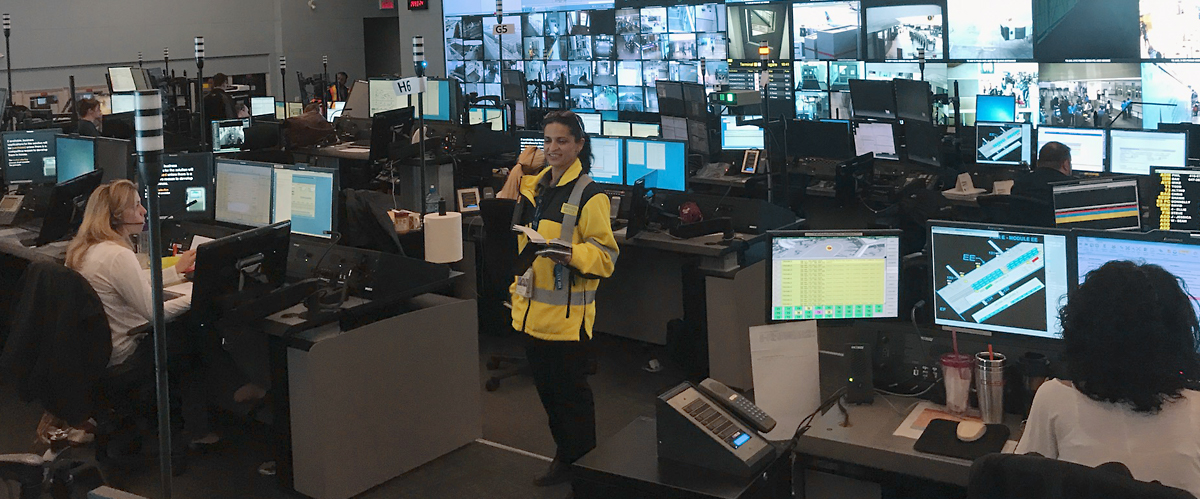
Aging control rooms often look inexpensive because the capital cost was paid years ago. That view ignores the full cost of keeping them operational. Emergency repairs, scarce parts, downtime, specialist support, inefficient power use, lost productivity, and repeated temporary fixes all contribute to the true cost of ownership.
When maintenance spending rises while performance declines, the room has entered the wrong side of its lifecycle.
4. Security Depends on Legacy Infrastructure
Older control rooms were often designed before cybersecurity became central to operational planning. Unsupported operating systems, weak access controls, limited network segmentation, and connected devices with outdated security features can expose the entire operation. Cyber risk is not contained within the network. A successful breach can interrupt services, restrict access to critical information, and force operational shutdowns.
A secure control room requires current technology, disciplined architecture, and clear recovery planning.
5. The Room No Longer Meets Current Operational Expectations
Standards change because risks, technology, and operating practices change. A control room built decades ago may fall short in accessibility, ergonomics, electrical infrastructure, cable management, sightlines, acoustics, lighting, or security. Compliance matters, but the larger issue is performance.
A room that does not reflect current operating requirements can introduce avoidable friction into every shift.
6. Operators Cannot Turn Information into Action Quickly
Modern operations rarely suffer from a lack of data. They suffer from poorly organized data. Disconnected platforms, crowded displays, inconsistent interfaces, and excessive alarms force operators to search for meaning instead of acting on it. High-performance HMI, improved visualization, and better system integration can help operators identify abnormal conditions earlier and respond with more confidence.
The goal is not to display more information. The goal is to make the right information clear at the right time.
7. Operators Have Built Their Own Solutions
Workarounds are evidence. Extra screens, handwritten notes, improvised storage, manual tracking, awkward viewing angles, and repeated adjustments all reveal where the room no longer supports the work. Operators are often the first to recognize these limitations because they experience them for hours at a time.
Operator feedback should not be treated as a list of preferences. It is operational data.
How to Decide What Comes Next
A control room upgrade should not begin with product selection. It should begin with evidence.
Establish the Current State
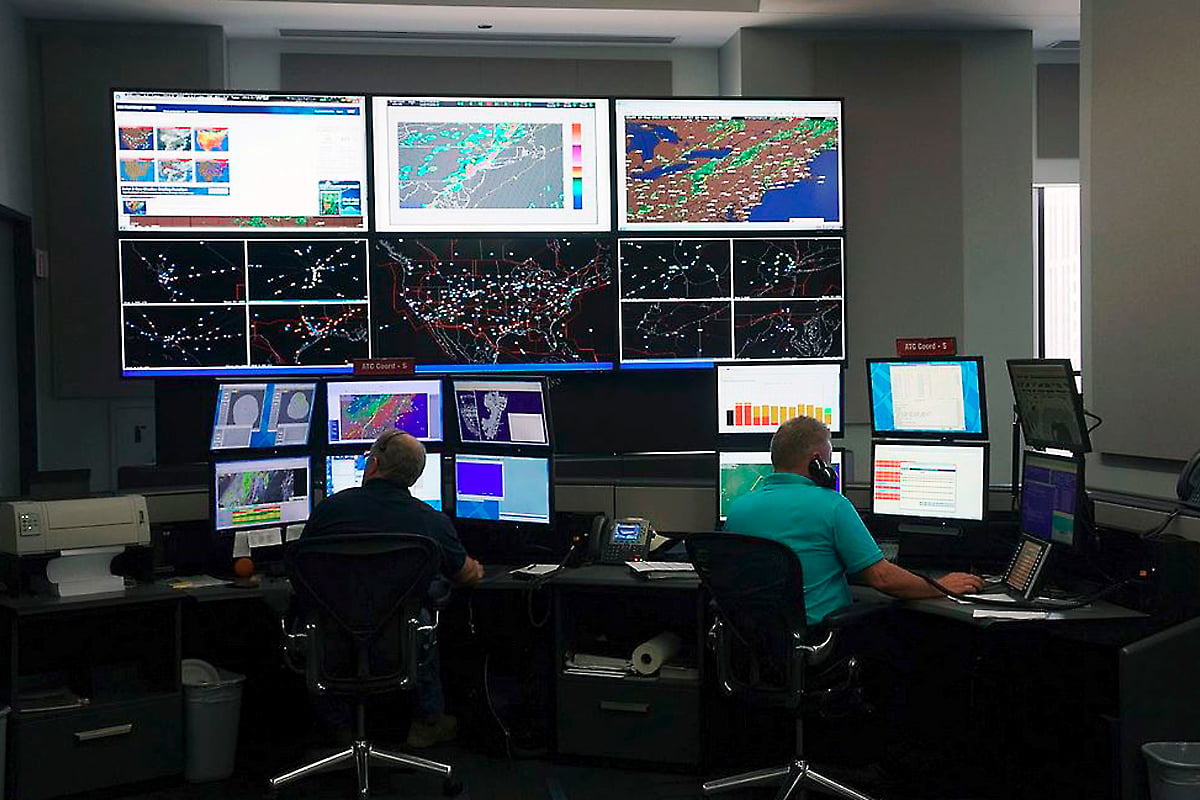
Audit the technology, infrastructure, room condition, workflow, maintenance history, security exposure, and operator experience. Document what is failing, what is difficult to support, and what creates the greatest operational risk.
Separate Symptoms from Root Causes
A damaged console may be a maintenance issue. Repeated operator workarounds may indicate a workflow problem. Frequent screen changes may point to poor information architecture. An effective upgrade addresses the cause, not just the visible symptom.
Prioritize by Operational Impact
Not every deficiency carries the same weight. Classify issues according to their effect on safety, continuity, response time, security, operator performance, and lifecycle cost. This creates a defensible basis for investment and prevents cosmetic improvements from taking priority over critical needs.
Plan Around Continuity
Mission-critical operations cannot pause for construction. The upgrade plan must account for temporary operations, phased installation, system testing, training, commissioning, and contingency planning. A successful room is not only well designed. It is delivered without compromising the mission.
Upgrade While You Still Have Options
The best time to plan a control room upgrade is before aging systems begin forcing operational decisions. Planning early gives organizations more control over scope, budget, technology choices, and implementation, while reducing the risk of rushed decisions after a critical failure. With 45 years of experience designing control room environments across public safety, energy, utilities, transportation, and process control, Evans helps organizations plan upgrades around how their operations need to perform today and well into the future.
That experience has shown us one consistent truth: The strongest control room projects begin before the existing room reaches the breaking point.
An upgrade should not be triggered by age alone. It should be triggered when the room can no longer provide the support, resilience, and performance the operation requires. Do not wait for a major failure to define the project.
Start with a control room assessment. Talk to Evans about what is working, what is not, and what your operation will need next.
Share This Article: